

Int'l Conference on Synthetic Ecology and Engineering Restoration(SEER 2026)
SEER 2026
- URL: https://www.academicx.org/SEER/2026/
- Event Date: 2026-11-27 ~ 2026-11-29
- Submission Date: 2026-11-17
- Organizer: Academic Communications
- Location: Kunming, China
Ecology Environmental & Geological Engineering
Int'l Conference on Synthetic Ecology and Engineering Restoration(SEER 2026)
Website:https://www.academicx.org/SEER/2026/
Date:November 27- 29, 2026
Venue:Kunming, China
Publication: a peer-reviewed open access journal
Index: CNKI Scholar
Reviewing period: 5-7 working days
International Conference on Synthetic Ecology and Engineering Restoration (SEER 2026) is scheduled to take place from November 27th to 29th, 2026, in the beautiful city of Kunming, China. The conference will bring together leading researchers, engineers, and practitioners from around the world to explore innovative approaches at the intersection of synthetic ecology and engineering restoration. You are invited to submit papers and participate in our academic exchange.
Attendance Methods
- Regular Attendance ( No Submission Required )
You're also welcome to attend our conference (without submitting full paper or abstract).
- Abstract submission
Submit abstract ( Regular Attendance + Abstract + Presentation )
You are welcome to submit abstract for oral presentation or poster presentation.
3. Full Paper submission
Submit full paper ( Regular Attendance + Paper Publication + Presentation )
You are invited to submit papers and participate in our academic exchange. One author will be invited to make an oral presentation and the paper will be published by peer-reviewed open access journal and submitted to CNKI Scholar for indexing.
Publication and Presentation
Publication: All the accepted papers will be published by a peer-reviewed open access journal that can ensure the widest dissemination of your published work
Index: CNKI Scholar
Note: 1. If you want to present your research results but do NOT wish to publish a paper, you may simply submit an Abstract.
2.The simple Abstract submission should include the title, contents, keywords, authors names, affiliations and emails. The length is suggested to be controlled within 1 page and no more than 2 pages.
3.The full length of one paper is suggested to be about 15 pages (within the template format with all tables, figures and references). If your paper is over 20 pages, you will be kindly requested to pay for extra pages fees.
4. You will receive the review results within 5-7 working days after submission. If you do not get any notification within the time limit, please contact us as soon as possible.
5. You are welcome to submit papers in Chinese and please contact us for more details.
Contact Us
Email: contact11@academicx.org (rolin_zhang@163.com)
Whatsapp: +8618672346485
Tel: +86 13296503784
QQ: 1349406763
WeChat:13296503784 (for urgent: 3025797047)
Official Account: Academic Communications
Topics: The conference is soliciting state-of-the-art research papers in the following areas of interest:
Theoretical Foundations & Design Principles
Rational Design Principles for Engineered Ecosystems
Controlled Assembly Rules for Microbial/Plant Communities
Mathematical Modeling of Ecological Network Stability and Robustness
Quantitative Allocation and Optimization of Ecological Functions
Trait-Based Species Selection and Functional Redundancy Design
Core Enabling Technologies
Synthetic Biology Tools for Restoration
Functional Materials and Eco-Engineered Structures
Monitoring, Feedback, and Control Systems
Application Scenarios & Restoration Strategies
Targeted Remediation of Contaminated Environments
Accelerated Initiation and Reconstruction of Degraded Ecosystems
Urban and Industrial Eco-Engineering
Climate-Adaptive Engineered Ecosystems
Systems Integration & Evaluation
Performance Assessment of Engineered Ecosystems
Life Cycle and Sustainability Assessment
Scale-Up and Field Implementation
Economic Viability and Business Models
Ethics, Risk & Governance
Biosafety and Environmental Risk
Design of Physical and Biological Containment Strategies
Ecological Ethics
Regulatory Science and Policy Frameworks
Public Engagement and Social Acceptance
Other Related Topics
Event Promotion

|
|
The 13th International Conference on Quantum Dots (QD 2026) |
| 2026-05-17 ~ 2026-05-22 |
|
|
The 22nd International Symposium on the Physics of Semiconductors and Applications (ISPSA 2026) |
| 2026-06-28 ~ 2026-07-02 |

|
|
The 15th Asia-Pacific Conference on Transportation and the Environment (APTE 2026) |
| 2026-07-08 ~ 2026-07-10 |
|
|
ACEM26 / Structures26 (ACEM26) |
| 2026-08-24 ~ 2026-08-25 |
Journal Promotion
|
| Acta Koreana (Acta Koreana) |
|
| Acta Via Serica (AVS) |
|
| Advances in Concrete Construction (Advances in Concrete Construction ) |

|
| Advances in Nano Research (Advances in Nano Research) |
|
| Computers and Concrete (Computers and Concrete) |

|
| Earthquakes and Structures, An International Journal (Earthquakes and Structures) |
|
| Geomechanics and Engineering (Geomechanics and Engineering) |
|
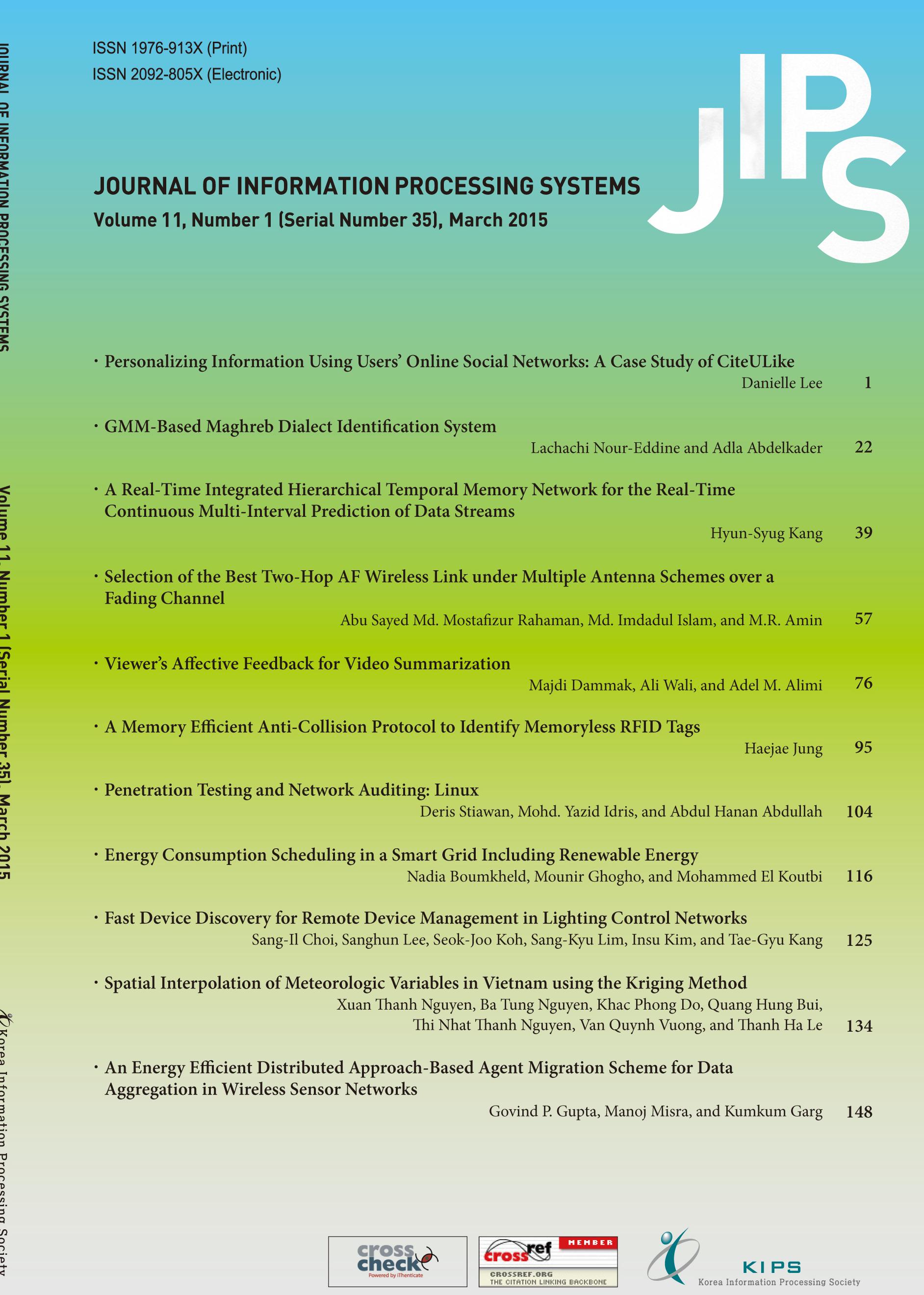
| Journal of Information Processing Systems (JIPS) |

|
| Journal of Internet Computing and Services (KSII - JICS) |
|
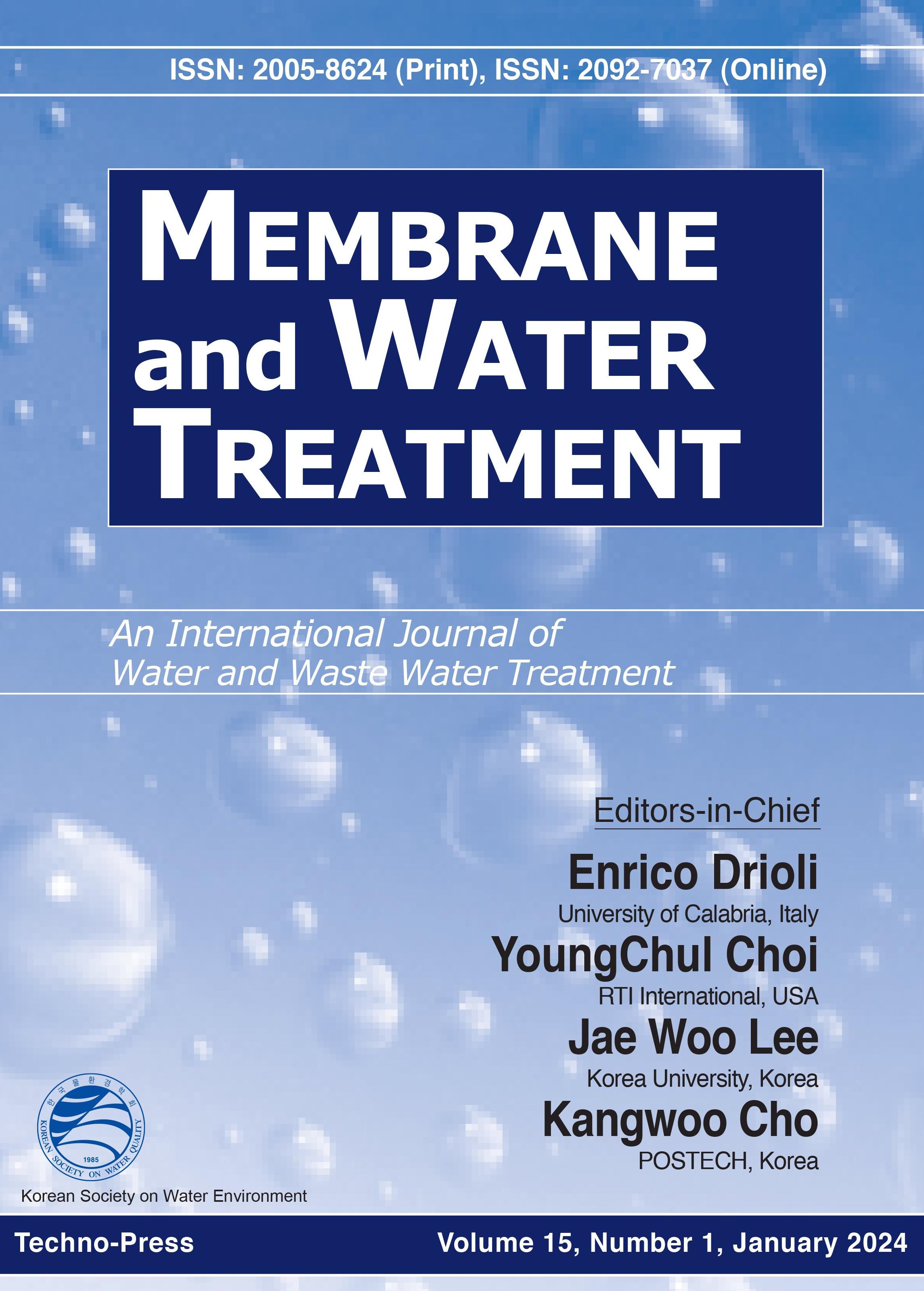
| Membrane and Water Treatment (MWT) |

|
| Smart Structures and Systems (Smart Structures and Systems) |
|
| Steel and Composite Structures, An International Journal (Steel and Composite Structures) |
|
| Structural Engineering and Mechanics, An International Journal (Structural Engineering and Mechanics) |
|
| Wind and Structures, An International Journal (Wind and Structures) |




MANUSCRIPTLINK © 2015 -
